
Bad gateway Error code 502
What happened?
The web server reported a bad gateway error.
What can I do?
Please try again in a few minutes.
Bad gateway Error code 502
What happened?
The web server reported a bad gateway error.
What can I do?
Please try again in a few minutes.
Bad gateway Error code 502
What happened?
The web server reported a bad gateway error.
What can I do?
Please try again in a few minutes.
Ready to Buy Land in the Tri-Cities?
Purchasing land is an exciting step, especially in the beautiful Tri-Cities area of Southwest Virginia and Northeast Tennessee. Whether you’re dreaming of a mountain retreat near Bristol, a sprawling farm outside Kingsport, or a wooded lot in Johnson City, owning your own piece of earth is incredibly rewarding.
But buying raw land is nothing like buying a house. It’s a completely different real estate beast, packed with unique challenges and potential pitfalls. Before you sign on the dotted line, it’s crucial to understand the terrain—literally and legally.
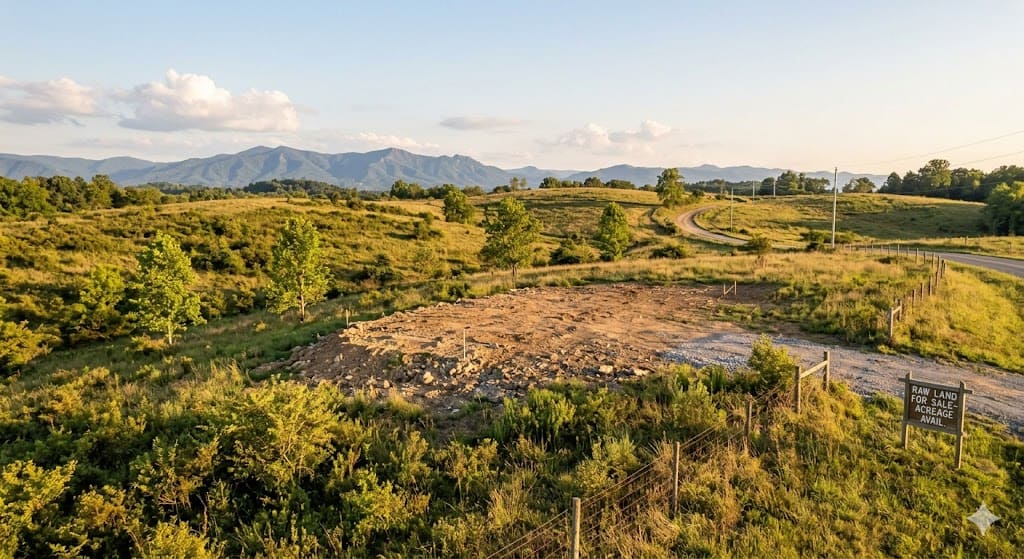
The Grand Vision Meets Reality: Land-Buying Hurdles
The allure of untouched ground can blind you to the complexities beneath the surface (and above it). Here are some major hurdles unique to buying raw land in our region:
- Zoning and Usage Restrictions: Don’t just assume you can build whatever you want. Each county and municipality has specific zoning laws. A stunning 10-acre parcel in the Virginia highlands might be zoned exclusively for agricultural use, meaning your plan for a modern dream home might require a lengthy, expensive rezoning process—or be completely impossible. Always verify zoning before you fall in love.
- Topography & Building Costs: A “steep lot” isn’t just a challenge for a lawnmower; it dramatically increases your construction costs. Steep slopes require expensive grading, retaining walls, and potentially specialized foundation engineering. What looks like a great price per acre can quickly become a money pit once construction begins.
- Access and Easements: This is a big one. Does the land actually front a public road? “Deeded access” isn’t the same as “road frontage.” You might have to cross other people’s property via an easement to get to your land. If that easement isn’t legally recorded or is improperly structured, it can lead to massive headaches (and legal battles) down the road. Furthermore, you might be responsible for maintaining that shared access road.
- Flood Zones & Environmental Hazards: While less common than in other regions, our mountain topography and extensive waterways (hello, Holston River!) mean flood risk is real. Always check the official FEMA flood maps. Environmental hazards (like a forgotten fuel tank from an old farm) are rare but costly to remediate.
The “Land Budget”: It’s Not Just the Purchase Price
When you buy raw land, you aren’t just paying for the acreage. You’re responsible for transforming it into a buildable site. You must budget for crucial due diligence and development costs, which are often significant and non-refundable, even if you don’t proceed with the purchase:
- A Survey (Essential): Do not skip this! Do not rely on old plat maps. You need a modern, professional boundary survey. This survey will confirm exact boundaries, identify encroachments (neighbor’s fence on your land, etc.), verify easements, and locate structures. This is a non-negotiable cost.
- Feasibility Study (Crucial): This is a critical investigation to determine if your vision for the land is actually possible. A feasibility study can encompass several components, each with its own cost:
- Perk Test (Soil Analysis): If the land isn’t connected to municipal sewer (which is common in our rural areas), you’ll need a septic system. A perk test determines if the soil absorbs water sufficiently. If the test fails, you cannot build a traditional home on that land. This is perhaps the single most important test you’ll pay for.
- Utility Access Assessment: You need a plan for electricity, water (well or public?), and internet. Getting power lines to a remote lot can cost tens of thousands of dollars. Digging a well is another significant expense. A feasibility study should quantify these costs.
- Cost Estimates: You can hire a contractor or engineer to provide rough estimates for road construction, site preparation (clearing, grading), and utility hookups.
- Environmental Phase I & II Assessments: While not always required, these can be necessary if there’s any suspicion of contamination.
- Rezoning Costs (If Needed): This involves filing fees, professional assistance (attorney, planner), and public hearings.
The Case for Representation: Buyer and Seller Agency
This entire process is complex and full of nuance. That’s why having dedicated real estate representation is vital, whether you’re buying or selling land.
For Buyers: Why You Need a Buyer’s Agent
- Land is Specialized: A typical residential agent might not have the expertise to navigate the unique challenges of raw land. You need an agent who understands things like topography maps, soil types, utility infrastructure, and zoning districts in Southwest Virginia and Northeast Tennessee.
- Uncovering the “What Ifs”: A good buyer’s agent will proactively help you order the right studies (perk tests, surveys, cost estimates) and interpret the results, ensuring you fully understand the implications.
- Skilled Negotiation: Negotiating a land deal involves complex terms, contingencies (like “contingent on a successful perk test”), and understanding the real value of the property, not just the list price. Your agent will negotiate on your behalf to protect your interests.
- Connecting You with Experts: Your agent has a network of professionals (surveyors, soil engineers, contractors, utility representatives) to help you get the answers you need.
For Sellers: Why Agency Still Matters
Even if you own land and are selling it, having a list agent (seller’s agent) is crucial. They will:
- Properly Price Your Land: Pricing land correctly is difficult. It’s not based on comparable homes. Your agent will analyze topography, access, utilities, and zoning to determine a realistic market value.
- Market the Unique Potential: Land isn’t about existing square footage; it’s about future possibility. Your agent will create compelling marketing that highlights the buildable site, scenic views, utility access, and zoning potential.
- Handle Complex Disclosures: Selling land requires extensive disclosures about things like known easements, environmental issues, and boundary discrepancies. Your agent ensures you comply with all legal requirements.
- Manage Negotiations and Contingencies: Buyers will often include contingencies in their offers (e.g., successful perk test, getting rezoned). Your agent will negotiate these terms effectively to secure the best deal while protecting your interests as the seller.
The Bottom Line: Don’t Navigate Alone
Purchasing land in the Tri-Cities is a wonderful opportunity, but it’s not for the unprepared. By understanding the hurdles, accurately budgeting for all development costs (especially a comprehensive feasibility study and survey), and enlisting the expert guidance of a dedicated real estate agent (whether you’re buying or selling), you can confidently navigate the complexities and turn your vision of land ownership into a successful reality.